ZREČE · 2025/26SI · PL · TNERASMUS+ · KA152-YOU

Future scenarios

The future is not one destination.

Participants used scenarios as tools for analysis, imagination and honest discussion. Each path asks a different question about responsibility, action and consequence.

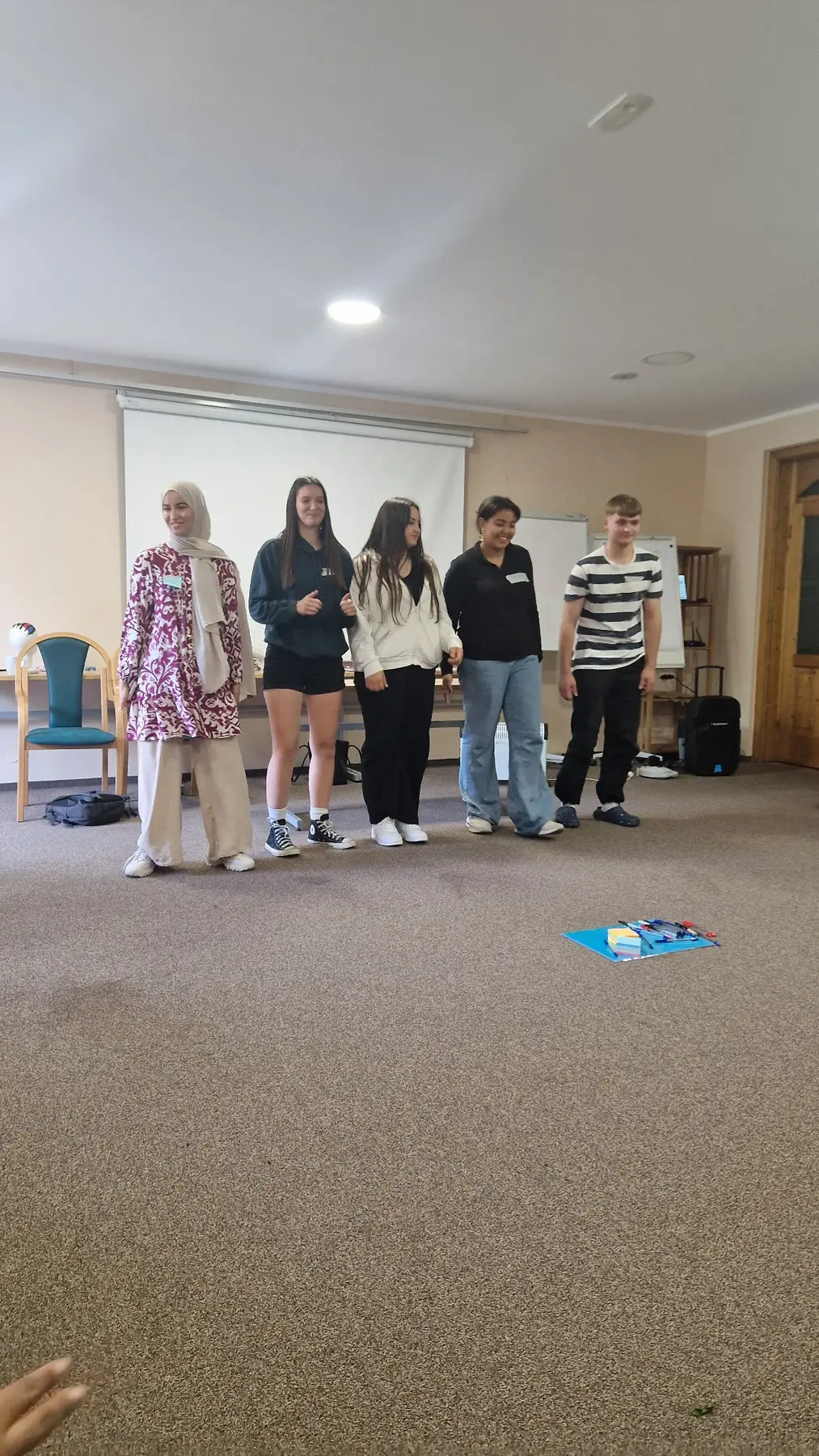
Participants presenting the results of their group work
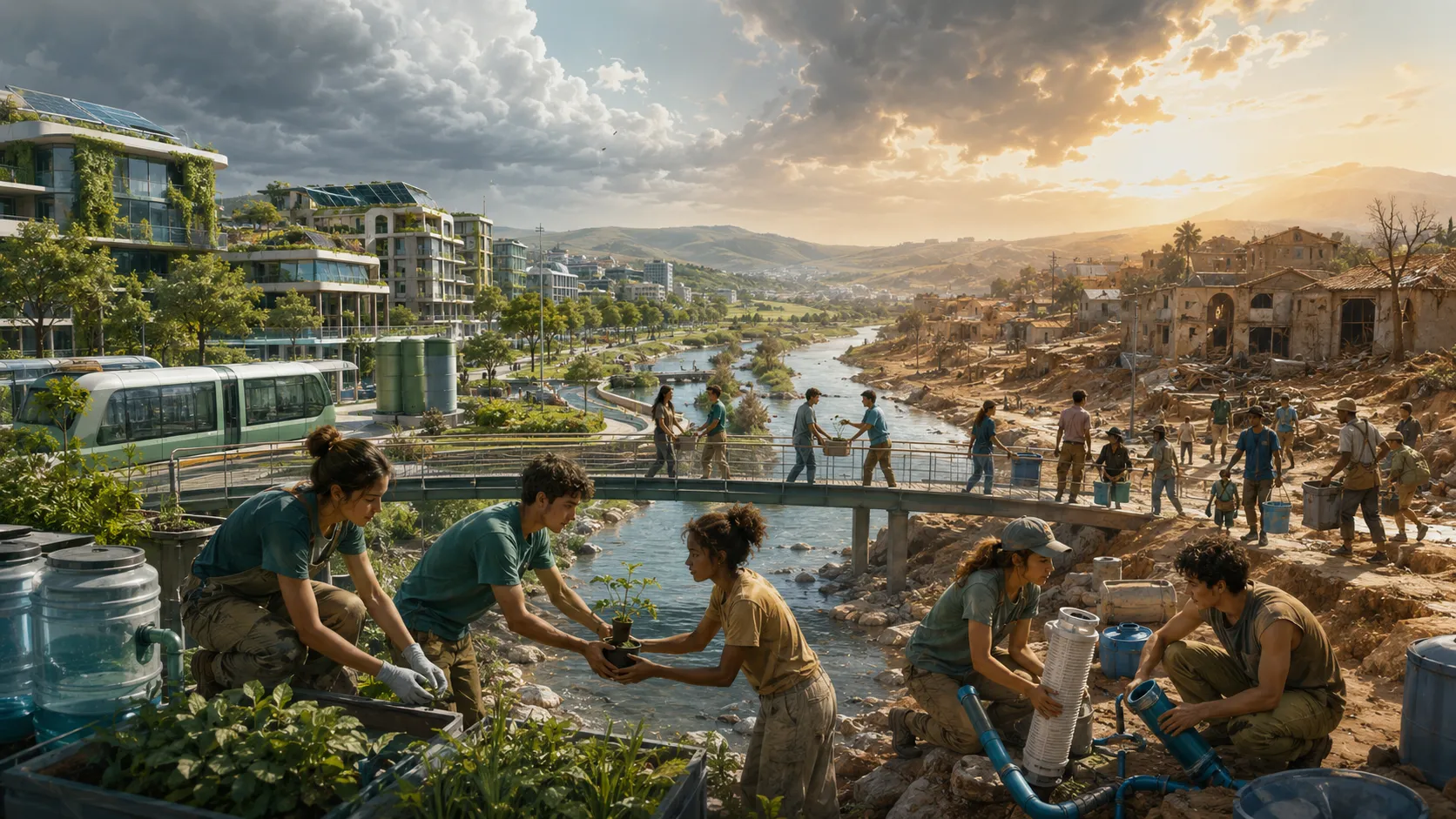
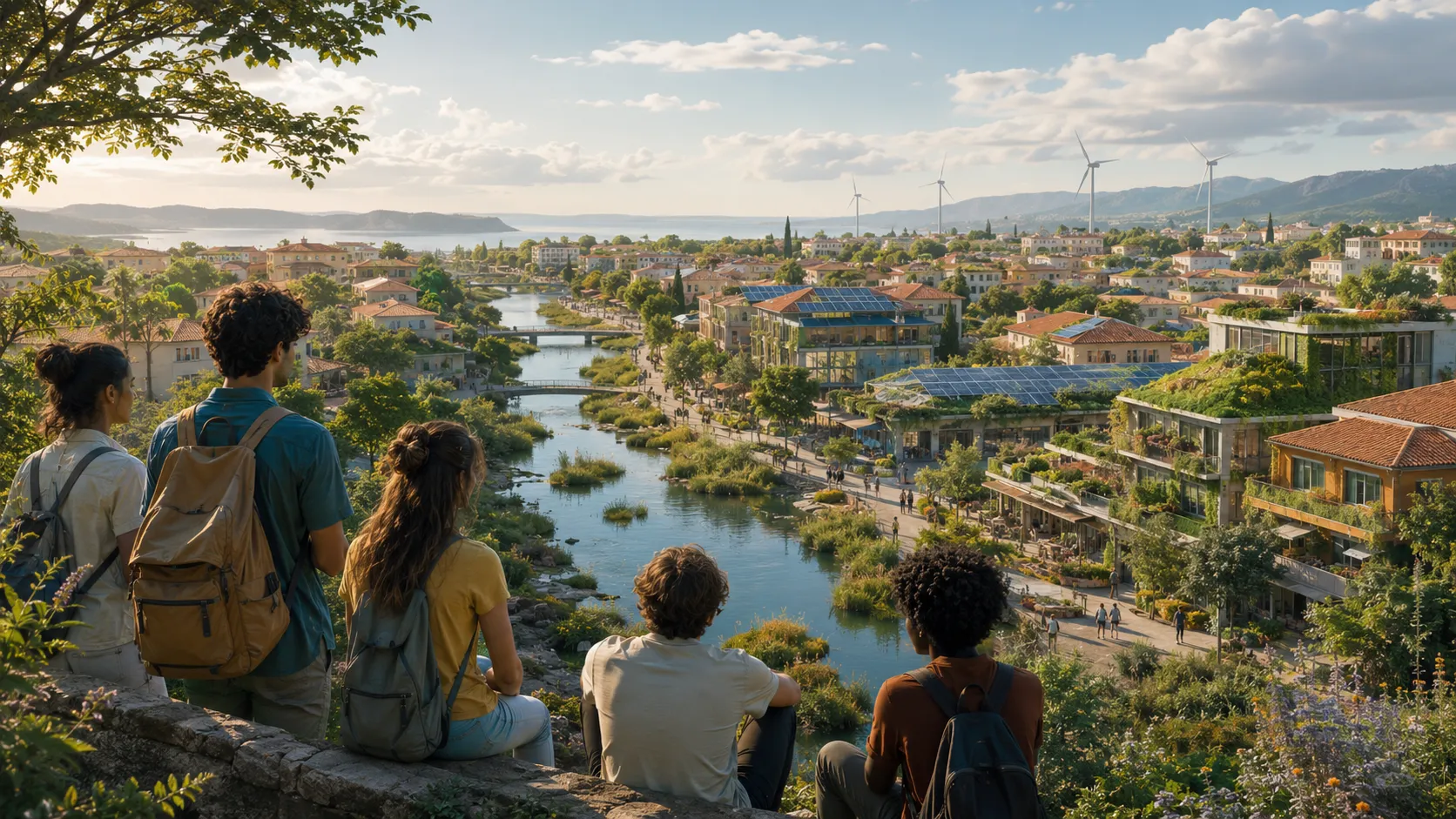
Young people looking across a regenerative green town in 2055
01 · Regeneration

A green future

Communities act in time: clean energy, protected ecosystems and fairer ways of living become the new normal.

Decisions today

Early emission cuts, renewable energy, a circular economy, ecosystem restoration and a just transition shaped with young people and local communities.

A view of 2055

Cities centre daily life rather than cars, rural areas support food security and biodiversity, and shared energy systems strengthen resilient communities.

A good future is created by early, coordinated and fair action—not by one miraculous solution.
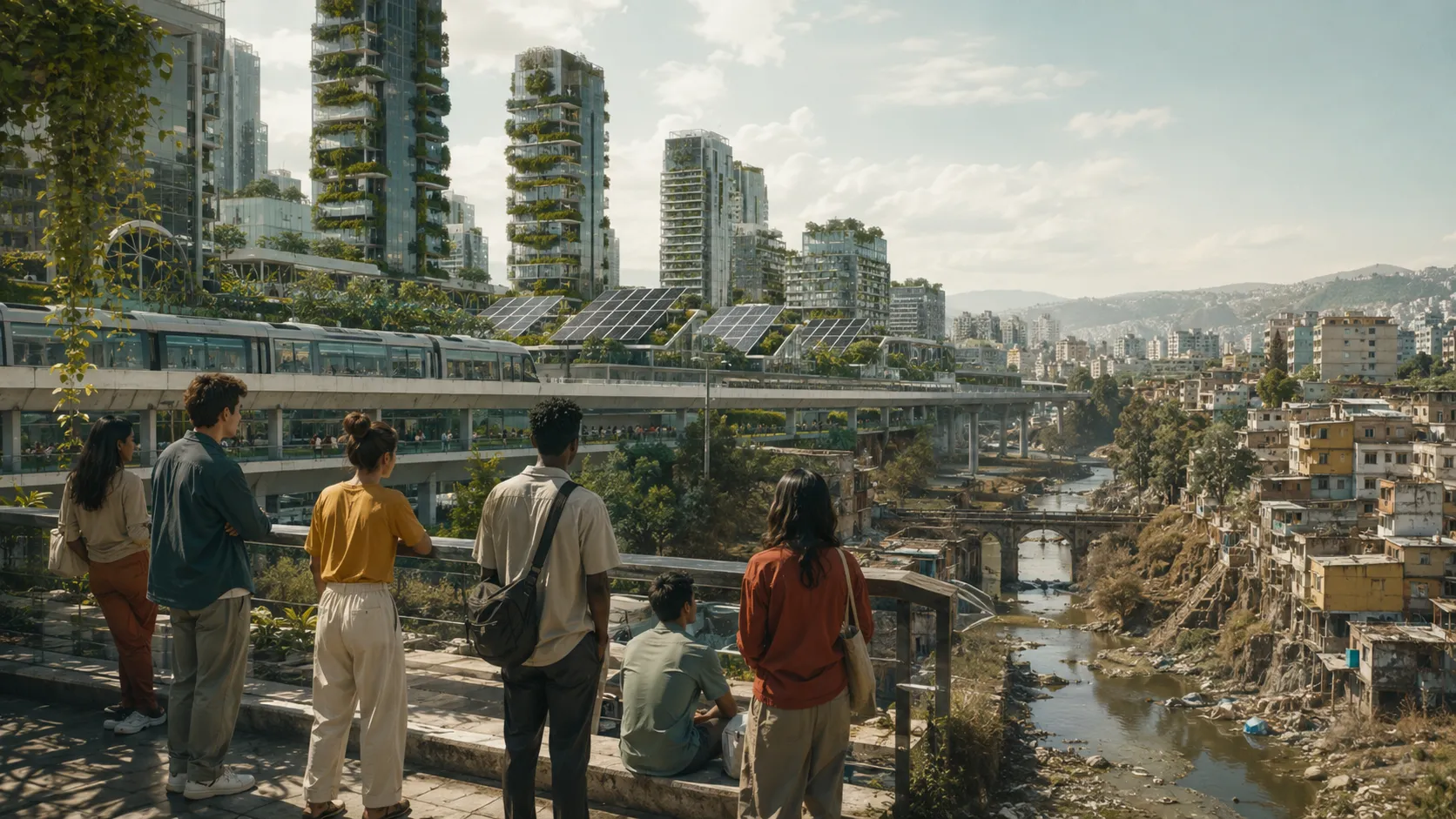
A polished green city revealing neglected ecosystems and unequal neighbourhoods
02 · Partial progress

The wrong turns

Some measures help, but poor priorities and short-term thinking leave major social and environmental problems unresolved.

Decisions today

Isolated green projects, weak public participation and technology-led fixes treat symptoms while leaving consumption, inequality and power structures unchanged.

A view of 2055

The city looks greener, yet ecosystems recover too slowly, communities distrust reforms and the costs of transition remain unfairly distributed.

Taking action is not enough; the quality, fairness and coherence of action determine its result.
Contrasting climate-resilient and climate-vulnerable communities in 2055
03 · Uneven action

Uneven efforts

Some regions move forward while others carry the heaviest costs of climate change, scarcity and inequality.

Decisions today

Wealthier regions protect themselves but share too little finance, knowledge and technology with communities already facing drought, floods and insecurity.

A view of 2055

Climate-resilient islands of stability exist beside regions living with water shortages, crop losses, displacement and growing political tension.

A partial solution is not a shared solution; sustainability succeeds only when security and capacity are shared.
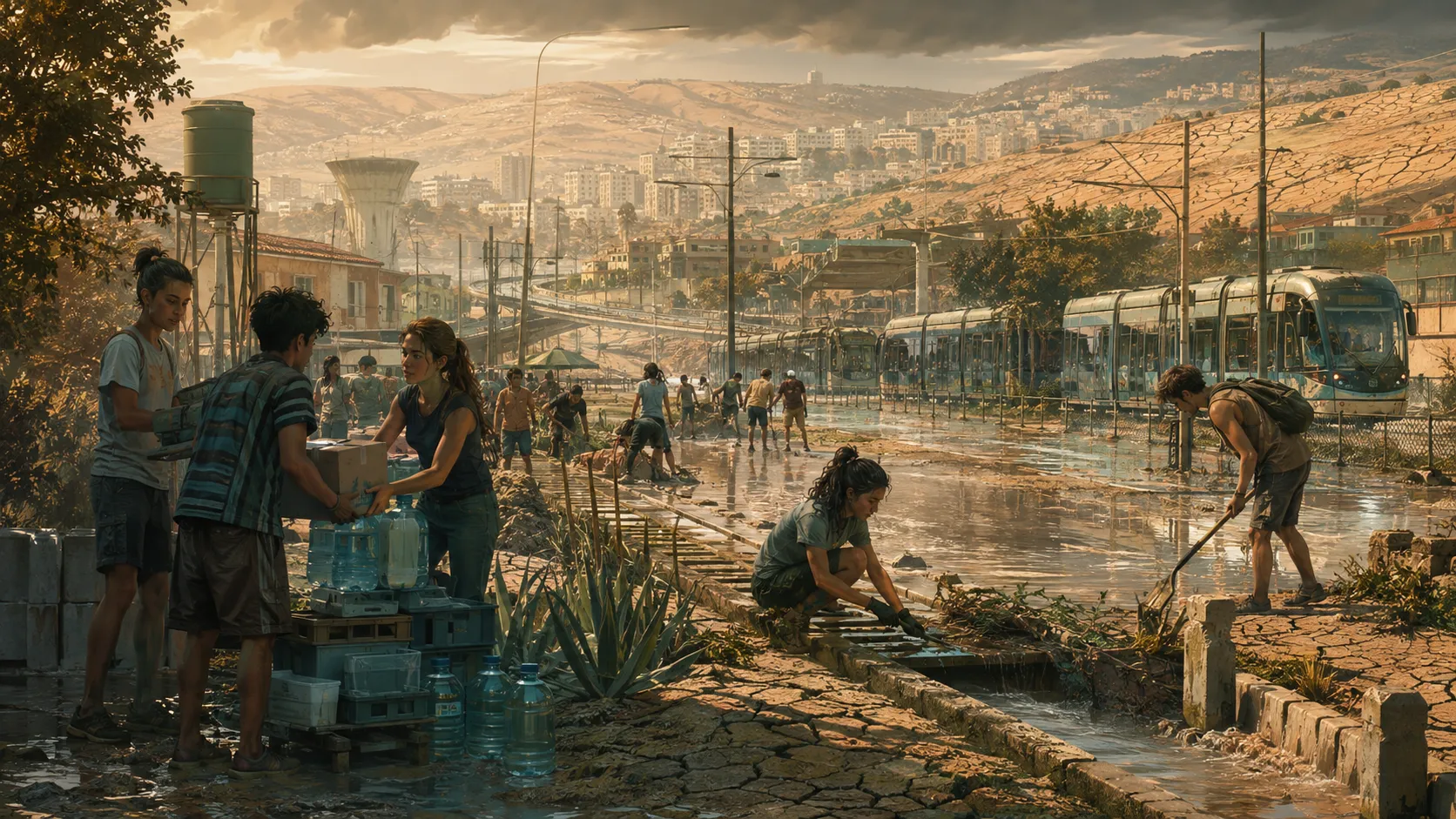
Young people cooperating in a city affected by drought, flood and extreme heat
04 · Inaction

Catastrophe without action

Ecological shocks, pressure on food and water, migration and conflict expose the price of doing too little, too late.

Decisions today

Emissions remain high, fossil interests delay change, water and soil are poorly protected, and every difficult decision is pushed into the future.

A view of 2055

Heat, drought and floods shape everyday life; food and water become sources of instability, while public systems struggle under continuous crisis.

Inaction is not neutral. Every year of delay transfers greater damage and fewer choices to the next generation.
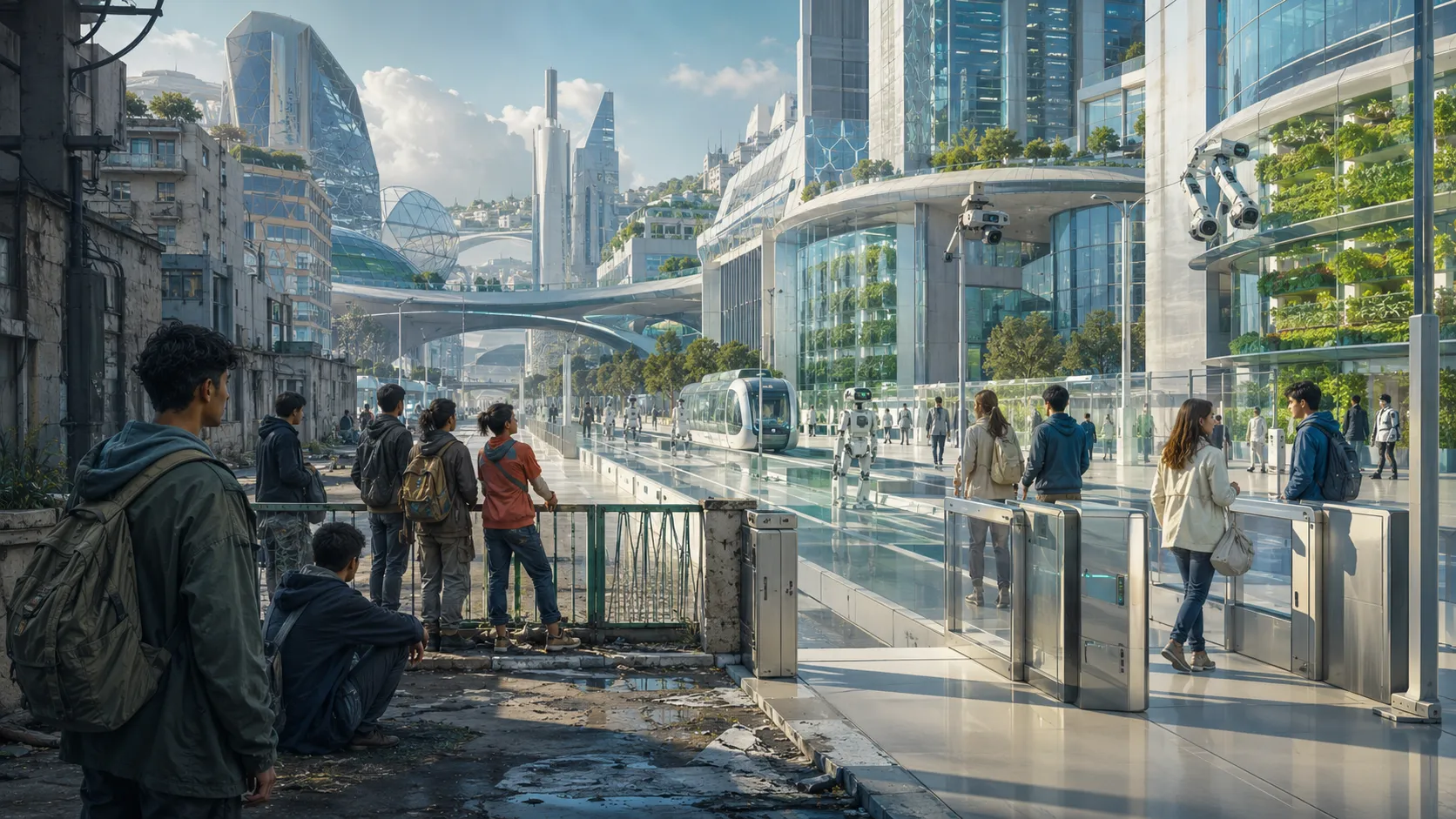
An efficient AI-managed city with automation and a visible social divide
05 · Innovation

A high-tech future

Technology reduces environmental pressure, but lasting progress still depends on social change, access and justice.

Decisions today

Mass investment in AI, smart grids, automation and resource monitoring advances faster than democratic oversight, workers' rights and equal access.

A view of 2055

Cities are clean, precise and efficient, but data and infrastructure are concentrated; some shape the system while others are merely managed by it.

Technology can optimise systems, but it cannot decide what kind of society we want to become.

Why scenarios?

A scenario is not a prediction. It is a structured story that connects present signals, decisions and possible consequences. Comparing several futures helps a group notice assumptions, test priorities and discuss what should happen next.

Questions carried forward

  1. Who benefits from each future—and who carries the cost?
  2. Which decisions can be made locally, and which need wider cooperation?
  3. What role should technology play alongside social and cultural change?
  4. Which action taken today could meaningfully change the path?